
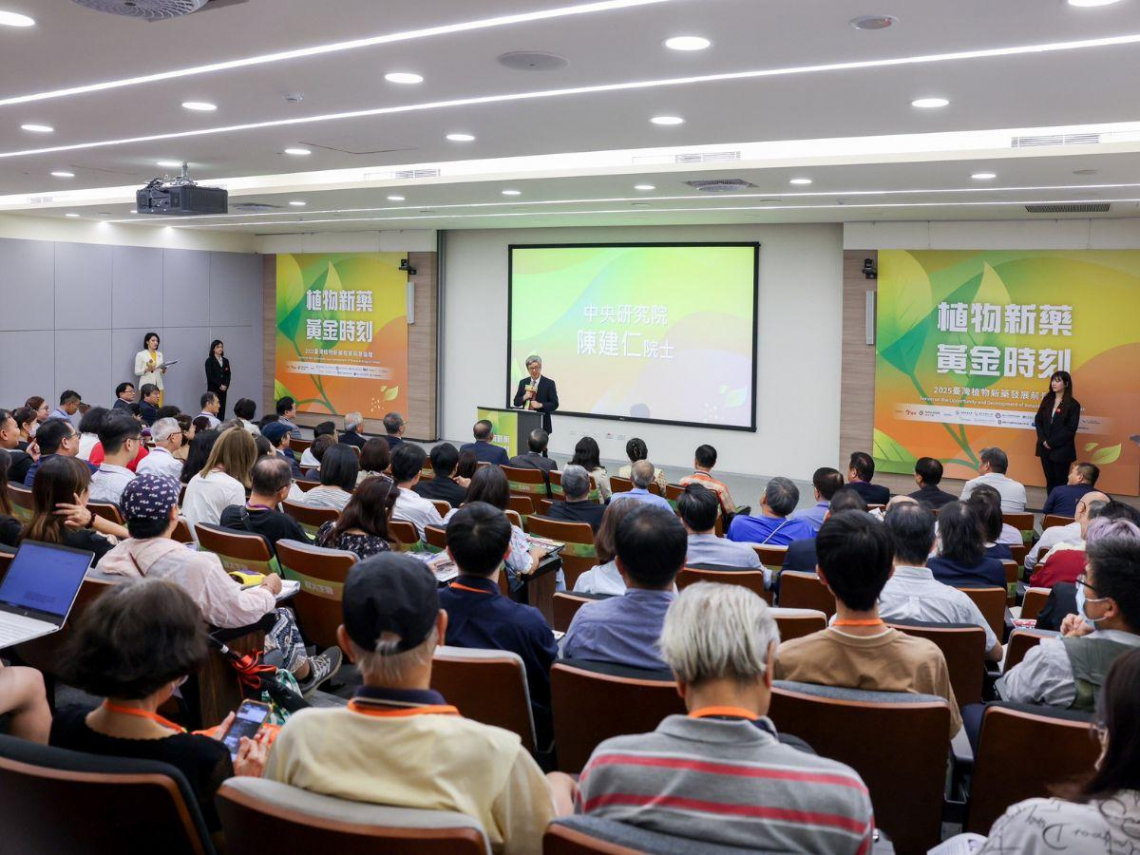
With the aging population, dementia has become a challenge that the entire population urgently needs to face. New herbal drugs, with their multi-target, low-side-effect, and early-intervention characteristics, have not only shown breakthrough potential in clinical applications but have also become a new investment track attracting attention in the capital market. On the 22nd, Botai Biomedical held the "Taiwan Herbal Drug Development Prospect Forum," inviting experts from industry, academia, and research to jointly focus on and discuss the key advantages of new herbal drugs in the prevention and early treatment of dementia, from theoretical and mechanism transfer to clinical research.
With an aging population, the number of people suffering from dementia is increasing year by year. According to statistics, by 2050, 150 million people worldwide will suffer from dementia, with care costs reaching as high as US$2.8 trillion. To date, Taiwan has more than 300,000 dementia patients. Alzheimer's disease was identified as being caused by the accumulation of amyloid protein as early as 1906. After a century of efforts, new drugs have finally been launched, bringing a glimmer of hope to the treatment of dementia.
Academia Sinica Academician Chen Chien-jen stated that dementia poses a significant challenge to human health. Not only does the body require care, but mental health is equally important. Looking back at the promotion of Long-Term Care 2.0 in 2016, it was found that dementia patients are among the most difficult groups to care for, a challenge faced by aging societies worldwide. Chen Chien-jen emphasized that while dementia cannot be completely avoided, prevention, early diagnosis, and early intervention can slow its progression. With the development of precision medicine, the medical community can now gain a deeper understanding of the causes of dementia through molecular diagnostic techniques and combine this with drug treatment to improve efficacy.
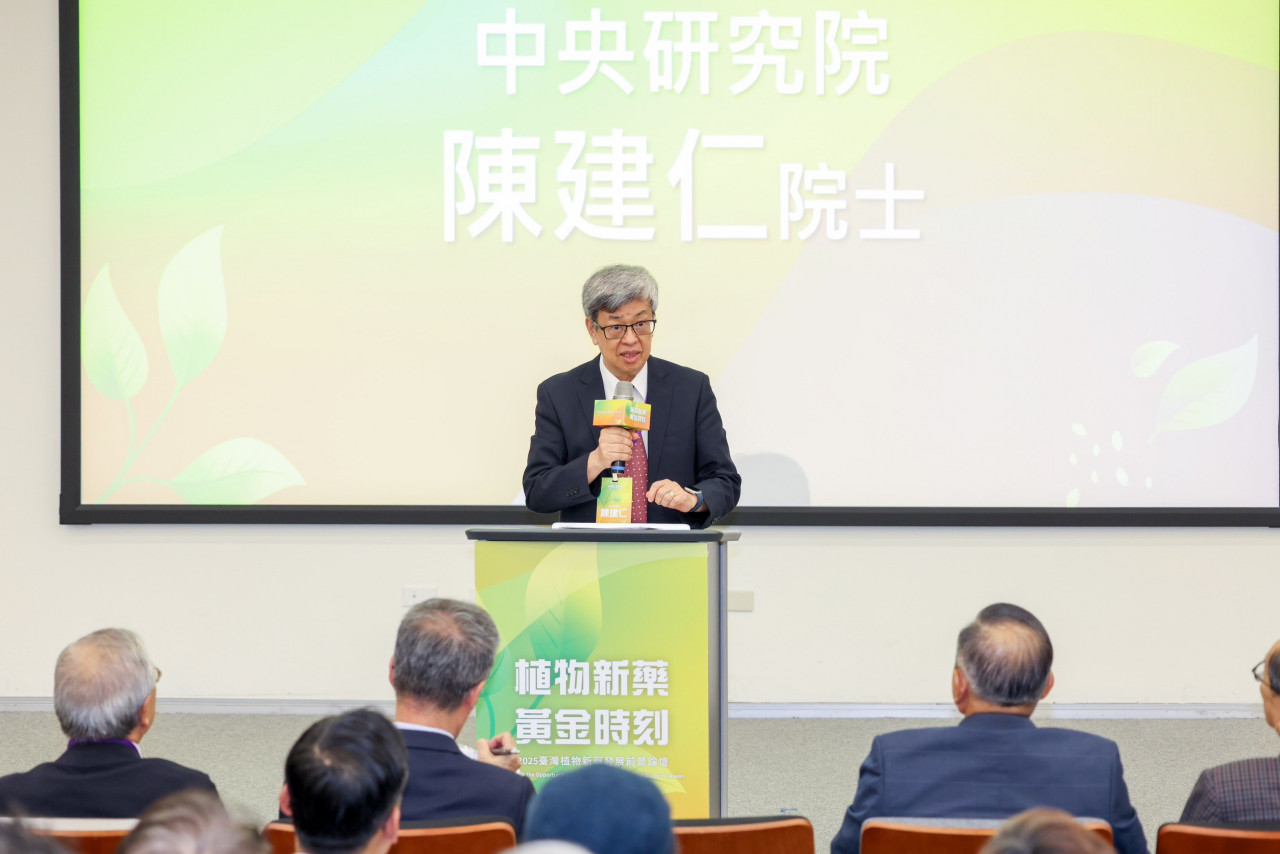
Academia Sinica Academician Chen Chien-jen stated that dementia poses a significant challenge to human health; not only does the body require care, but mental health is equally important.
In drug development, Taiwan's biomedical industry is showing vigorous momentum, especially with plant-derived drugs considered to play a crucial role in dementia treatment.
Chen Chien-jen emphasized that the US FDA has established a comprehensive review system for dementia drugs. This not only provides a reference for international standards but also helps Taiwan's research achievements to shine on the international stage. "Taiwan has every opportunity to start from local research, based in Taiwan, and look to the world, bringing new hope to dementia patients worldwide." Popular Biotech Chairman Hsu Yi-sheng stated that Taiwan is at a crucial moment in the development of new herbal drugs. He hopes to accelerate the application of new herbal drugs in dementia treatment through cross-disciplinary collaboration and clinical validation, bringing a more hopeful future to patients, families, and society. Looking back at the history of human medicine, before the discovery of small molecule drugs in 1930, humans mainly relied on herbal medicines and religion for survival. The 20th-century public health and medical revolution boosted the population, but facing increasingly complex viruses and diseases, single treatments are no longer sufficient. Furthermore, cancer has not yet been eradicated, and on average, a new dementia patient is diagnosed every 3 seconds—all areas where the medical community must strive.

Botai Biopharmaceutical Chairman Hsu Yi-sheng stated that Taiwan is at a crucial juncture in the development of new plant-based drugs, and hopes to accelerate the application of new plant-based drugs in the treatment of dementia through cross-disciplinary collaboration and clinical validation.
Hsu Yi-sheng emphasized that the diverse pathogenic mechanisms of diseases make single-target treatment difficult. Therefore, combination therapy and multi-target strategies are gradually becoming the trend. Herbal medicines, due to their safety, multifunctionality, and multi-target efficacy, meet the treatment needs of complex diseases such as dementia. With the advancement of AI technology, the analysis of the components and efficacy of herbal medicines can more quickly reach international standards. Coupled with Taiwan's agricultural foundation, advantages in cultivation technology, world-class biotechnology talent, and AI research and development capabilities, the conditions are complete, making it a promising base for the development of new herbal medicines globally.
◎Combining Nature and Science: The Potential of Integrated Therapeutic Development of New Plant Drugs
Former Vice President of Academia Sinica, Wang Huijun, analyzed the mechanism of action of new plant drugs and the international development trend of new plant drugs. Unlike small molecule drugs, medical research 20 years ago discovered that large molecule antibodies can also be used as drugs, especially in cancer treatment, becoming the origin of immunotherapy. In the past 10 years, with the advent of cell therapy, it has brought multiple aspects to the development of modern medicine. It is gratifying to see that cell therapy may also enter the field of dementia treatment in the future.
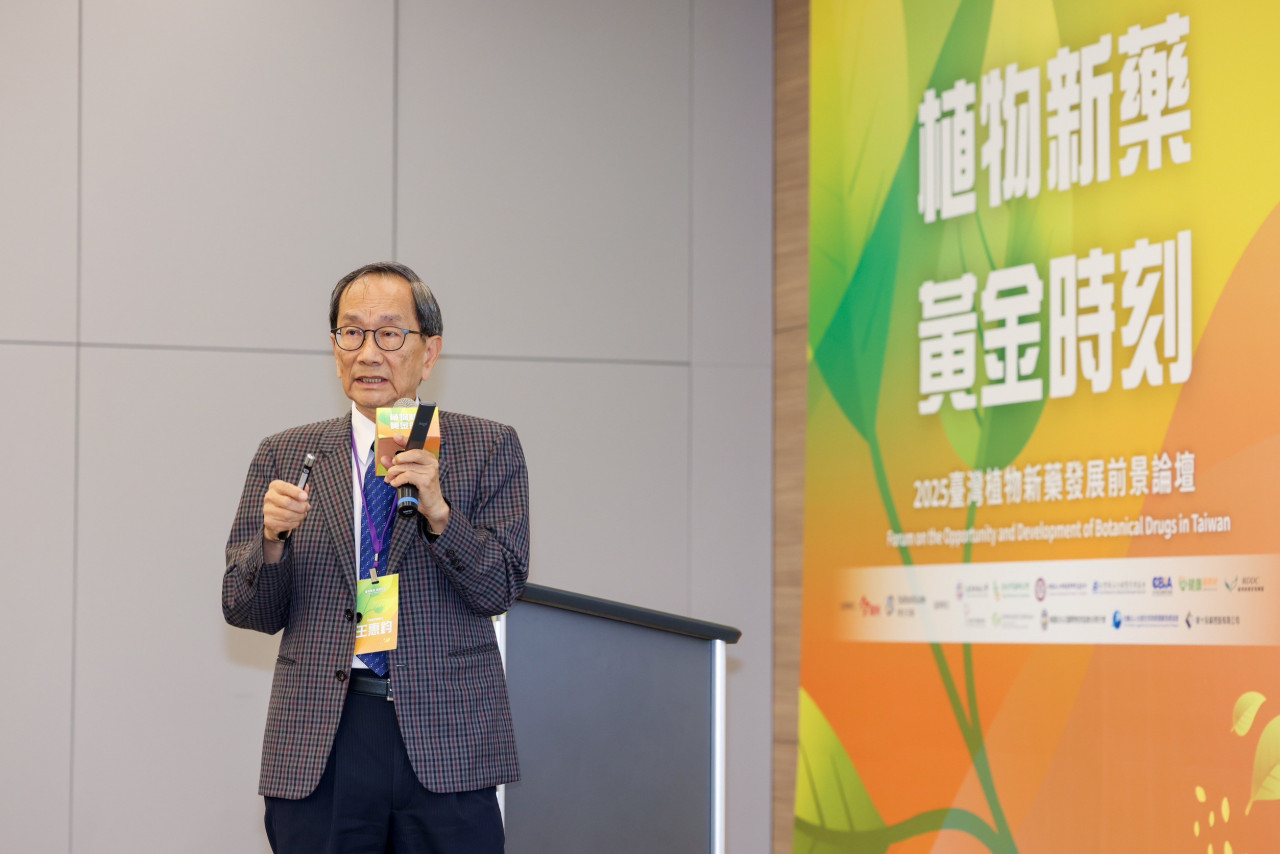
Former Vice President of Academia Sinica, Wang Huijun, analyzes the mechanism of plant regeneration and examines the international development trend of new plant drugs.
As of this year, there are currently 180 drug indications under clinical development. Due to the diverse nature of dementia and the high difficulty of single-target treatment, the 18-month course of treatment with Leyibao and Xinzhile costs approximately NT$1.5 million, which is not yet covered by National Health Insurance. Clinical guidelines are being developed.
.jpg)
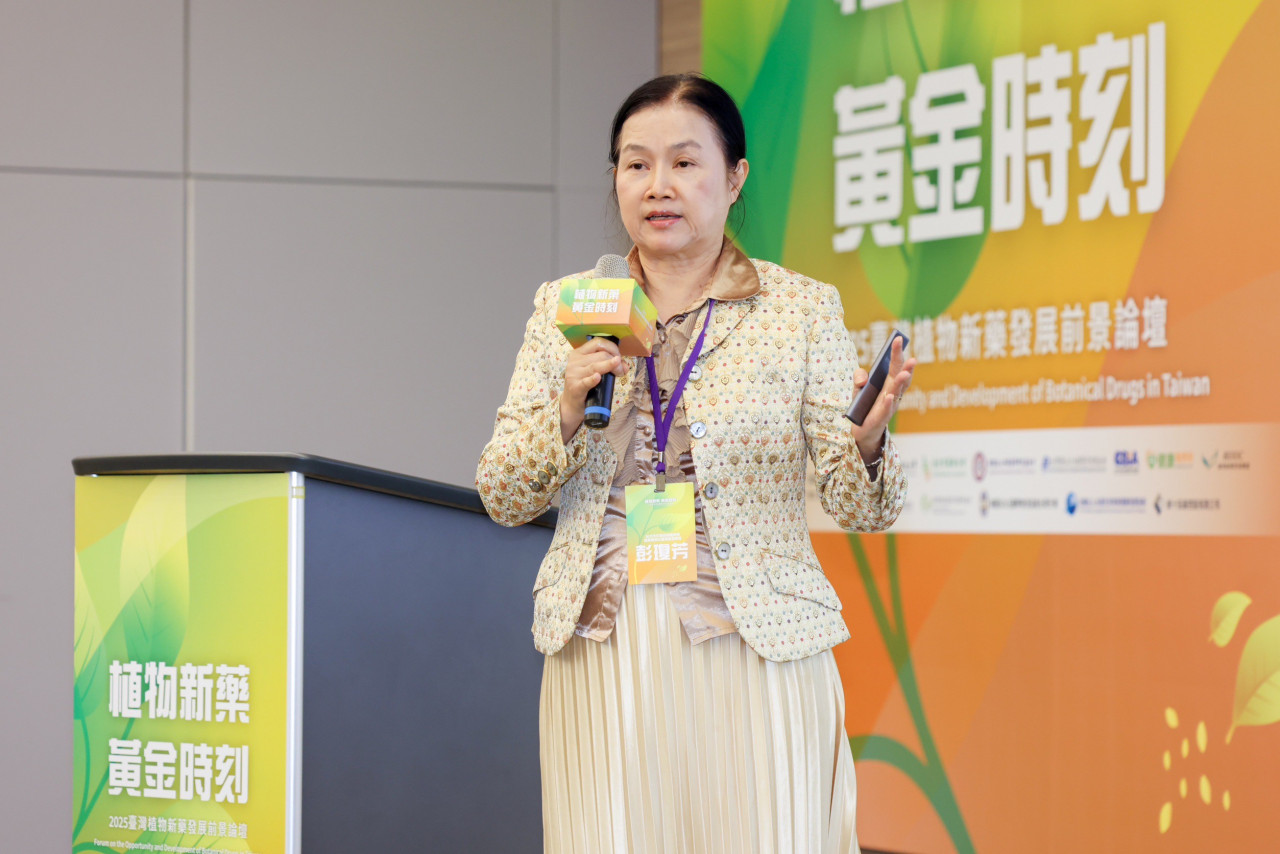 Peng Chiung-fang, Honorary Chairperson of the Taipei Biotechnology Service Industry Association, focused on the new regulatory trends of the US FDA regarding the development of dementia drugs, analyzing the key advantages of new herbal drugs in the prevention and early treatment of dementia.