
With an aging population, combating dementia and leveraging AI to drive a new era of smart healthcare have become important global public health issues.
On Wednesday (September 17th), at the 2025 Happy Mature Aging Forum co-organized by Business Today and Happy Mature Aging, Hu Chao-jung, Dean of the College of Medicine at Taipei Medical University, and Wu Han-chang, General Manager of ASUS Cloud and Taiwan Smart Cloud, shared their insights on the niche of Taiwanese herbal medicines for dementia and the implementation of AI-powered smart healthcare, respectively.
In addition, Chen Yung-ren, founder of Chenyao International Medical System, shared how AI, smart wearable devices, and new testing methods can accelerate precision medicine and help people regain their health.
AI Assistance! Chen Yongren: Continuously Quantify Personal Status to Find the Reasons
Taiwan has entered a super-aged society, and longevity is a common phenomenon. However, how to live with dignity and quality of life is a goal pursued by everyone.
Physician Chen Yongren points out that many modern people suffer from psychosomatic imbalances and autonomic nervous system dysfunction, often experiencing symptoms such as "feeling tired despite sleeping" and "gastrointestinal, emotional, and insomnia all occurring at once," despite seeing numerous doctors without improvement. He emphasizes that most symptoms caused by psychosomatic imbalances cannot be detected through imaging examinations such as MRI and CT scans. However, with the help of AI, smart wearable devices, and new testing methods, an individual's condition can be continuously quantified to identify the underlying causes. Through data analysis, doctors can tailor solutions for patients, thereby helping them regain true health.
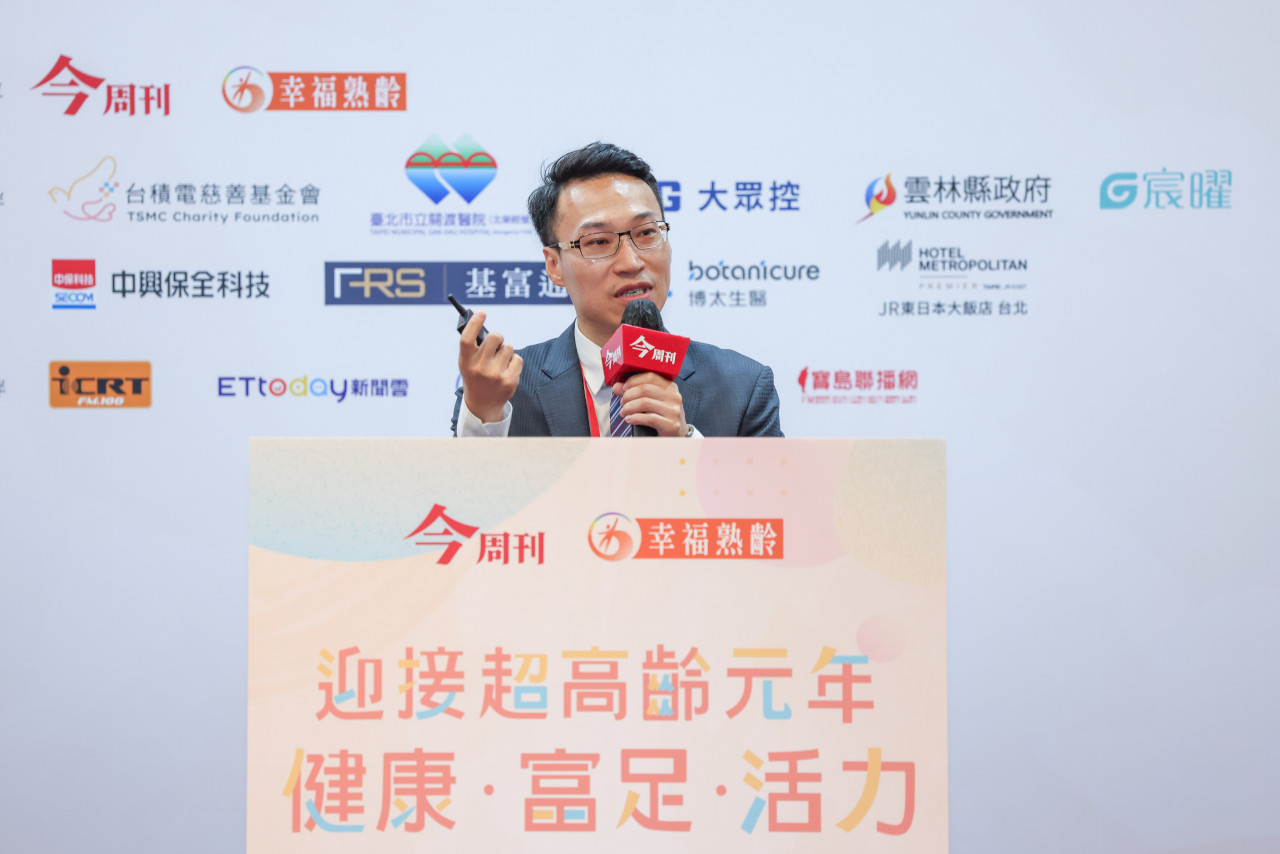
Chen Yongren, founder of Chenyao International Medical System.
(Photography: Chen Ruiwei)
Multiple Causes and Characteristics of Dementia
According to the latest epidemiological survey commissioned by the Ministry of Health and Welfare and conducted by the National Health Research Institutes, approximately 8% of Taiwan's population aged 65 and above suffers from dementia, with an estimated 300,000 patients diagnosed and treated domestically. In response, Hu Chao-rong, Dean of the College of Medicine at Taipei Medical University, pointed out that dementia not only affects patients' cognition and daily life but also places a heavy burden on family caregivers; "one person's dementia, the whole family suffers" is a common description in the medical field.
Hu Chaorong stated that dementia is a syndrome that, in addition to the most common Alzheimer's disease, also includes frontotemporal dementia, Lewy body dementia, vascular dementia, and similar symptoms caused by head trauma, alcohol addiction, or hypothyroidism.
Clinically, the diagnosis of dementia is mainly based on two conditions: first, problems with cognitive function, most commonly memory decline, accompanied by a decrease in learning ability, attention, language, and reasoning ability; second, disruption of daily life, such as the inability to independently complete previously familiar work and life tasks.
In addition, dementia patients often experience behavioral and psychiatric symptoms (BPSD), including depression, anxiety, delusions, and hallucinations. Some patients even experience intense emotional or behavioral problems at dusk, increasing the difficulty of care.
Hu Chaorong reminds us that caregivers' health also requires special attention, as long-term care for dementia patients often leads to anxiety, insomnia, and depression.
Breakthroughs and Challenges of New Alzheimer's Drugs
Since the first case of Alzheimer's disease was published in 1906, the scientific community has spent over a century exploring its treatments, only achieving a breakthrough in the last two years. Currently, the US FDA has approved several new drugs that use antibodies to clear amyloid protein in the brain. Two of these have been introduced to Taiwan and have shown potential in clinical applications to slow disease progression.
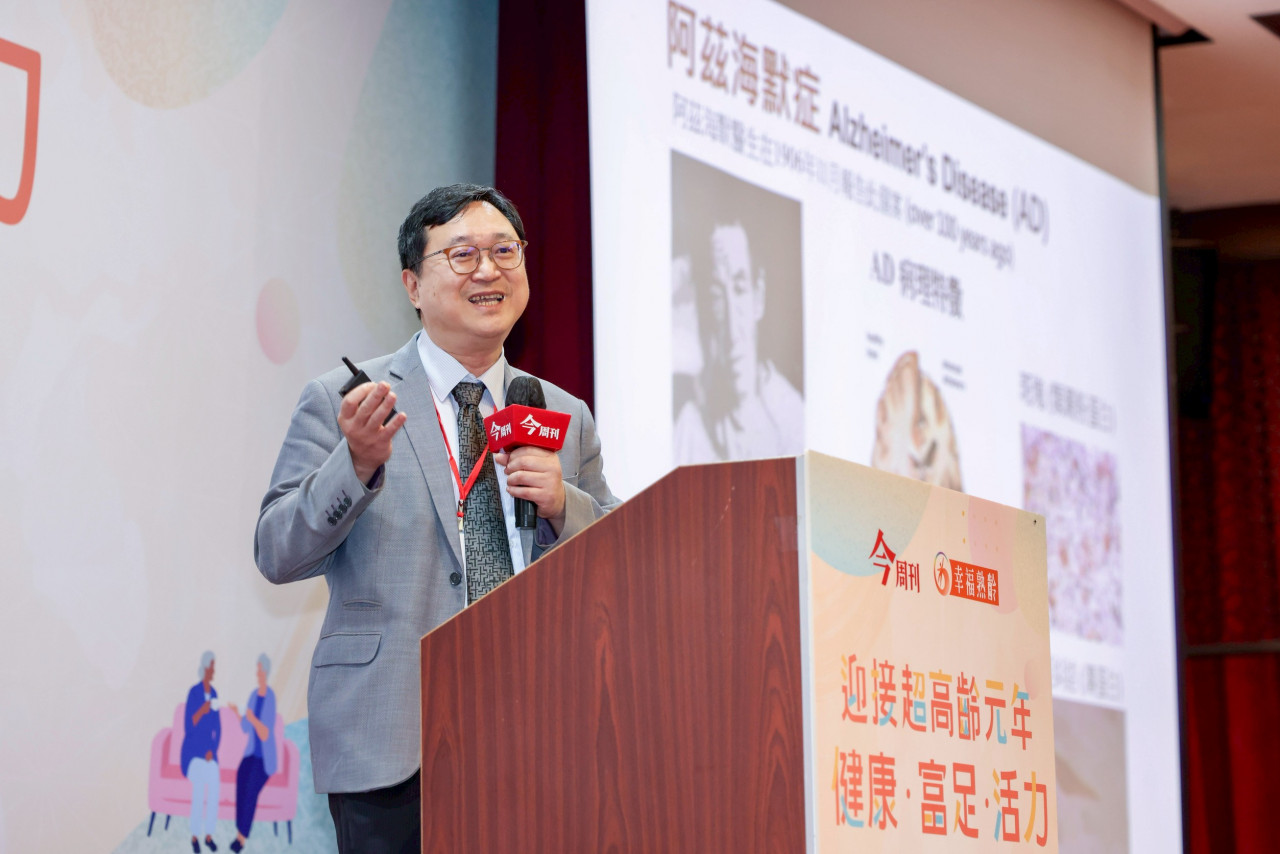
Hu Chao-rong, Dean of the College of Medicine, Taipei Medical University. (Photo: Chen Rui-wei)
However, Hu Chao-rong also frankly stated that there are still many limitations to new drugs.
First, it is only applicable to patients with mild cognitive impairment or early-stage Alzheimer's disease; second, the treatment may cause side effects such as cerebral edema and cerebral hemorrhage, especially for patients with a history of cerebrovascular disease, who are often excluded. Furthermore, the high price of the drug also limits its accessibility. "Although the new drug brings hope, it is still far from a true cure," said Hu Chaorong. The Importance of Clinical Trials and Early Diagnosis With a deeper understanding of the disease course, research has subdivided clinical stages into 0 to 6 stages, even identifying high-risk groups when patients are asymptomatic and only show amyloid protein accumulation through biomarkers. Hu Chaorong pointed out that several international clinical trials have begun to intervene in these early-stage patients, hoping to stop disease progression before mild cognitive impairment occurs.Regarding diagnostic tools, in the past, diagnosis relied heavily on physician experience. However, advancements in positron emission tomography (PET), cerebrospinal fluid analysis, and blood tests have made early diagnosis more accurate. The US FDA has even approved blood tests as a diagnostic tool, and this is expected to become more widespread in Taiwan, allowing more patients to receive treatment in the early stages of the disease.
Taiwan's R&D Advantage: The Potential of Herbal Medicines
Although single-target drugs have taken a crucial step forward, Hu Chao-jung believes that the causes of dementia are complex, involving multiple mechanisms such as inflammatory responses, oxidative stress, synaptic degeneration, and abnormal vascular metabolism. A single targeted drug may not be able to completely solve the problem. In contrast, herbal medicines have multiple pathways of action and can simultaneously regulate multiple pathological mechanisms, which may be more suitable for treatment needs.
Furthermore, Taiwan possesses advantages in agriculture and biotechnology industries. If it can combine herbal medicine research and development with clinical trials to form a complete industrial chain, it will have the opportunity to establish a unique position in the international new drug market. Hu Chao-jung pointed out that many experts, including international industry leaders and domestic biotechnology companies, are optimistic about the development potential of herbal medicines in Alzheimer's disease treatment, and it may even become a new highlight of Taiwan's pharmaceutical industry in the future.
"Over the past century, we have weathered the dark period of Alzheimer's disease treatment, and now we finally see the dawn."
Hu Chao-jung concluded that although existing drugs still have side effects and limitations in their applicability, the progress of new drugs and clinical trials has brought hope; at the same time, Taiwan's efforts in herbal medicine and new drug research and development may bring more breakthroughs in the future.
He called on society to face the challenges of dementia with optimism and to actively invest in research and development and care support, "so that dementia patients and their families can embrace a more hopeful tomorrow." AI Drives a New Era of Smart Healthcare: Technology Implementation is Accelerating On the other hand, amidst the global wave of digital transformation in healthcare, artificial intelligence (AI) is gradually becoming a core driving force for innovation in healthcare. In his opening remarks at the forum, Wu Hanzhang, General Manager of ASUS Cloud and Taiwan Smart Cloud, pointed out that healthcare is one of the most promising high-end service industries. Combining AI and digital technology will not only improve diagnostic efficiency and care quality in the future, but also help implement the government's "Healthy Taiwan" policy, extending people's healthy life expectancy by at least 10%.
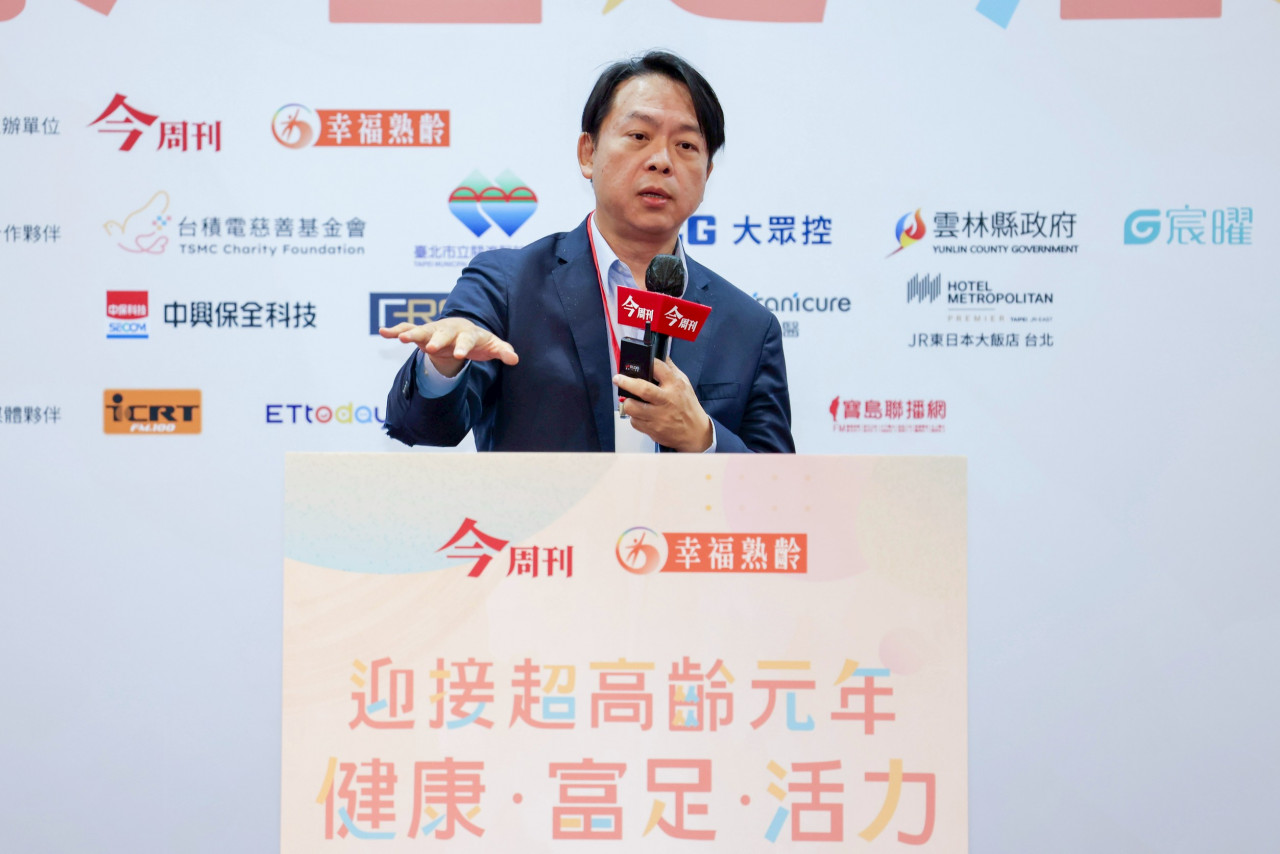
Wu Hanzhang, General Manager of ASUS Cloud and Taizhi Cloud.
(Photography: Chen Ruiwei)
AI and Healthcare Integration: Industry Consensus and Policy Promotion
Wu Hanzhang stated that major global technology and electronics industries have actively invested in healthcare applications because healthcare is not only a high-growth market but also a field closely related to human quality of life. In recent years, the Taiwanese government has also continuously promoted biotechnology industry policies and allocated NT$50 billion over five years in the "Healthy Taiwan" blueprint, hoping to achieve goals such as early screening, risk assessment, medical information integration, and long-term care upgrades through technology adoption.
"The application of AI to healthcare is no longer merely the imagination of technologists, but a shared consensus among global industries and governments," Wu Hanzhang emphasized.
ASUS's 10-Year Strategy: Three Pillars Supporting Smart Healthcare
ASUS has been investing in smart healthcare since 2012, for over 10 years...